Tyseley Energy Park
Powering clean energy growth in Birmingham
TEP’s mission is to transform clean energy innovation in Birmingham and the region by stimulating and demonstrating new technologies and turning them in to fully commercially viable energy systems that contribute to Birmingham’s commitments to reduce CO2.
Learn more
300 years of heritage, leading the green revolution mission
TEP is a collaboration of passionate technology innovators, academics, scientists, project developers and proactive public sector bodies. TEP’s legacy will be one that: sees greater engagement with and increased employment in low carbon industries. Stimulating innovation, demonstrating new technologies and creating commercially viable energy system solutions that positively contribute to local communities and the citizens of Birmingham’s whilst reducing CO2 emissions by 2030.
CONTACT US
Phase one – 10MW biomass power plant
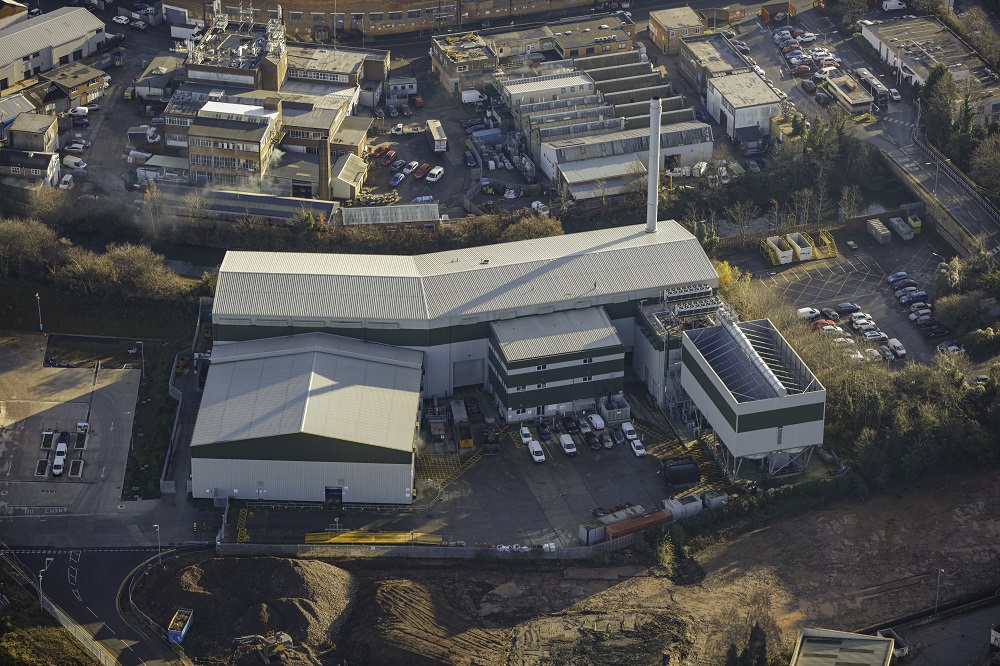
A £47 million investment established a 10MW waste wood biomass power plant on-site. This facility provides renewable electricity for Webster & Horsfall’s operations and tenants across the 16-acre site, creating 19 jobs and diverting 72,000 tonnes of waste wood from landfill annually. The plant powers a Distributed Energy System, supporting local energy resilience.
Phase two – Low and zero carbon refuelling station
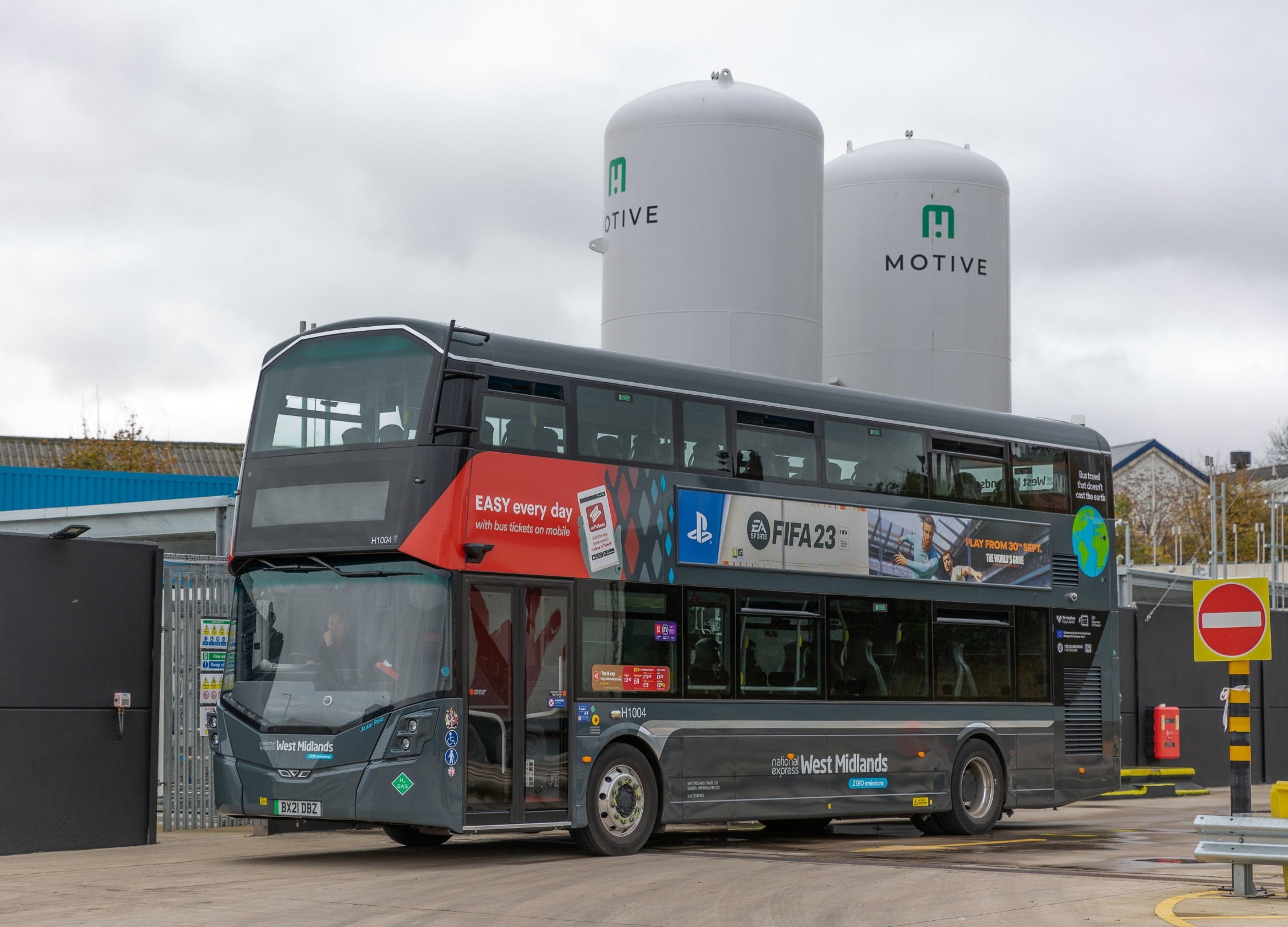
TEP is home to the UK’s first open-access low and zero-carbon refuelling station, offering hydrogen, GreenD+ fuel, and electric vehicle charging. Strategically located between Birmingham City Centre and the airport, this station supports cleaner transport solutions, helping reduce emissions in public and commercial fleets.
Phase three – Development opportunity
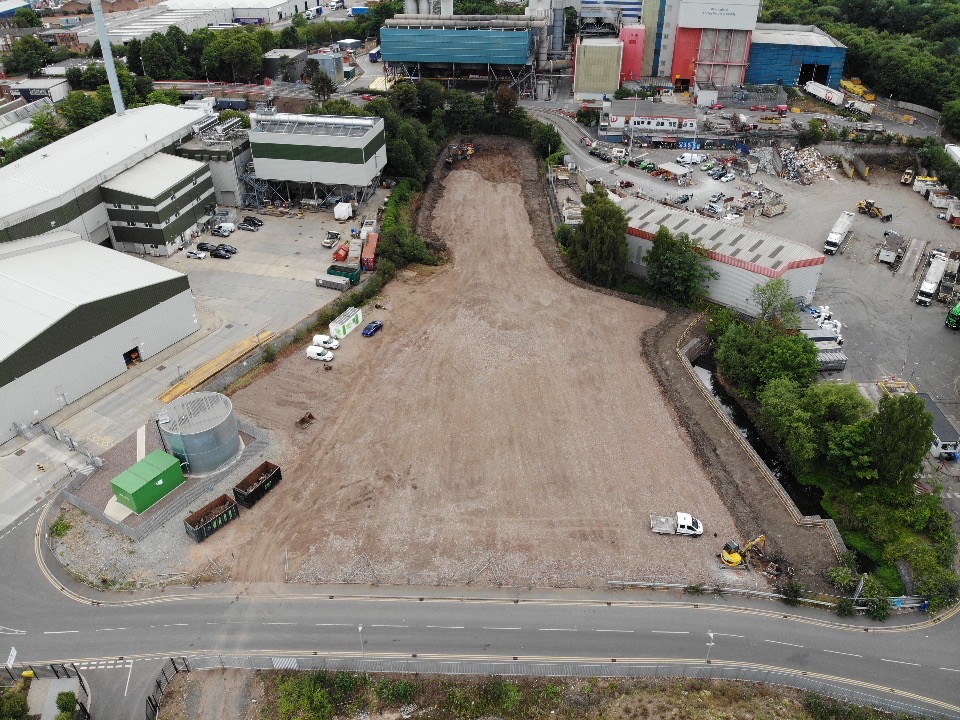
An 8,500m² plot is available for low-carbon technology development, benefiting from existing planning permissions. The site offers a rare opportunity to advance innovative energy and waste technologies, aligning with Birmingham’s decarbonisation strategy.
Phase four A – Birmingham energy innovation centre (BEIC)
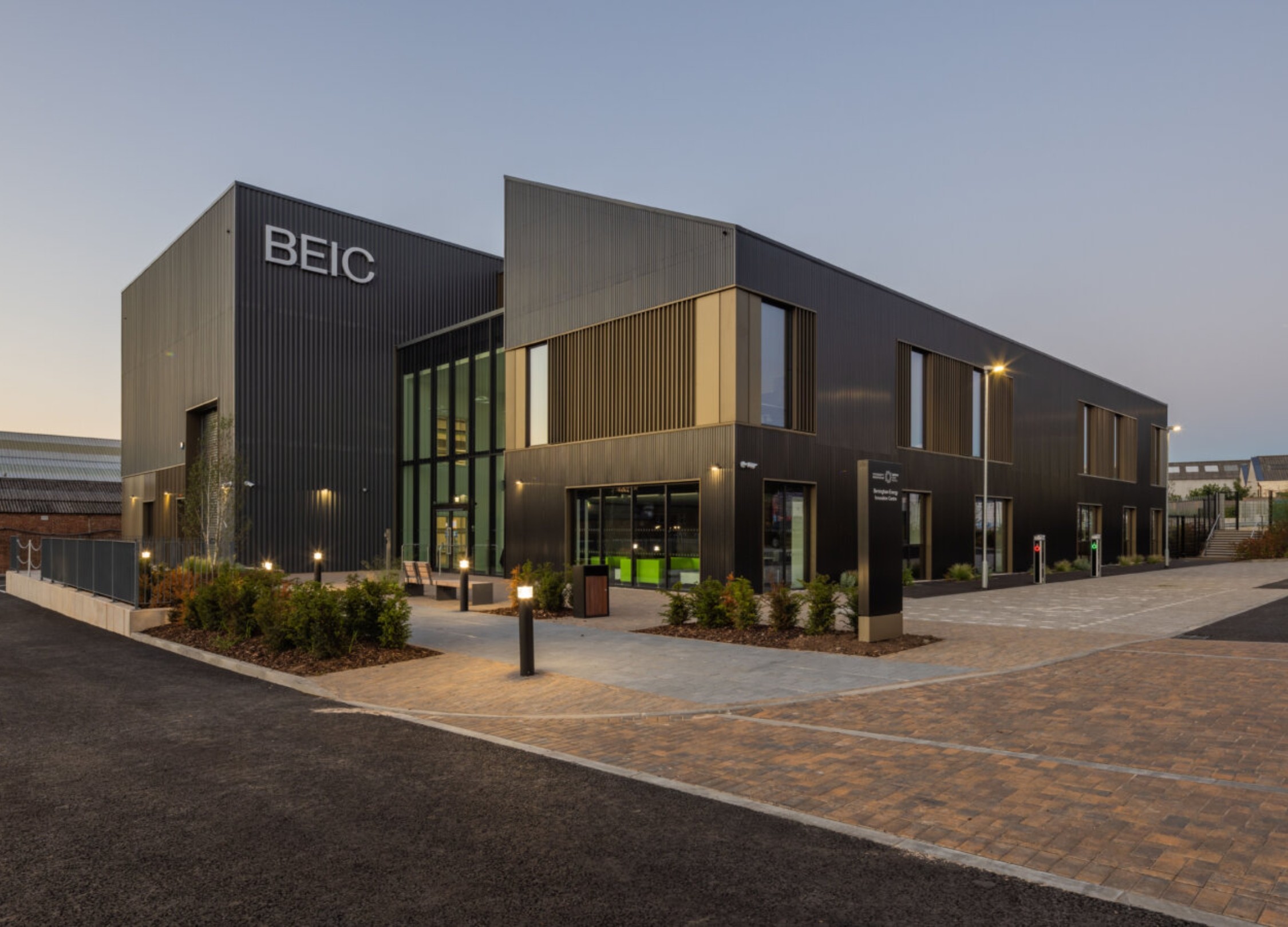
Opened in July 2021, the £7 million BEIC facilitates R&D in energy storage, hydrogen and fuel cells, and waste-to-energy technologies. The centre fosters collaboration between academia, industry, and local government to address Birmingham’s energy and low-carbon transport challenges.
Phase four B – National centre for the decarbonisation of heat (NCDH)
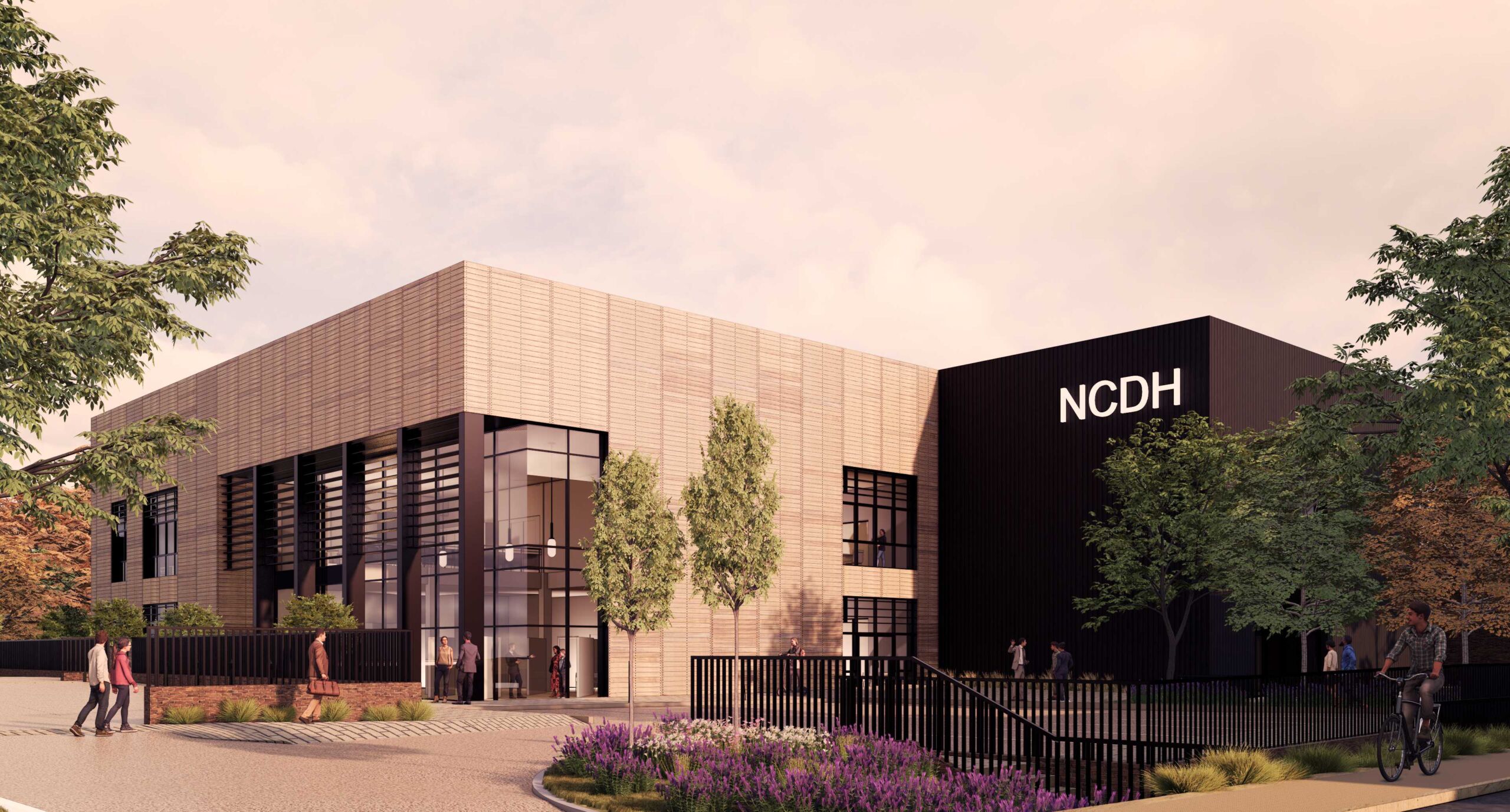
The National Centre for the Decarbonisation of Heat (NCDH) is a visionary initiative set to be completed by 2026. Once constructed, it will focus on developing and scaling low-carbon heating technologies, such as heat pumps and hydrogen boilers. The NCDH will include a Living Lab and Building Integration Unit to test and demonstrate energy innovations, policy frameworks, and retrofitting solutions. This collaborative effort between the University of Birmingham, TEP, and regional partners positions the West Midlands as a leader in low-carbon heating solutions.
Phase five – SME incubation and support
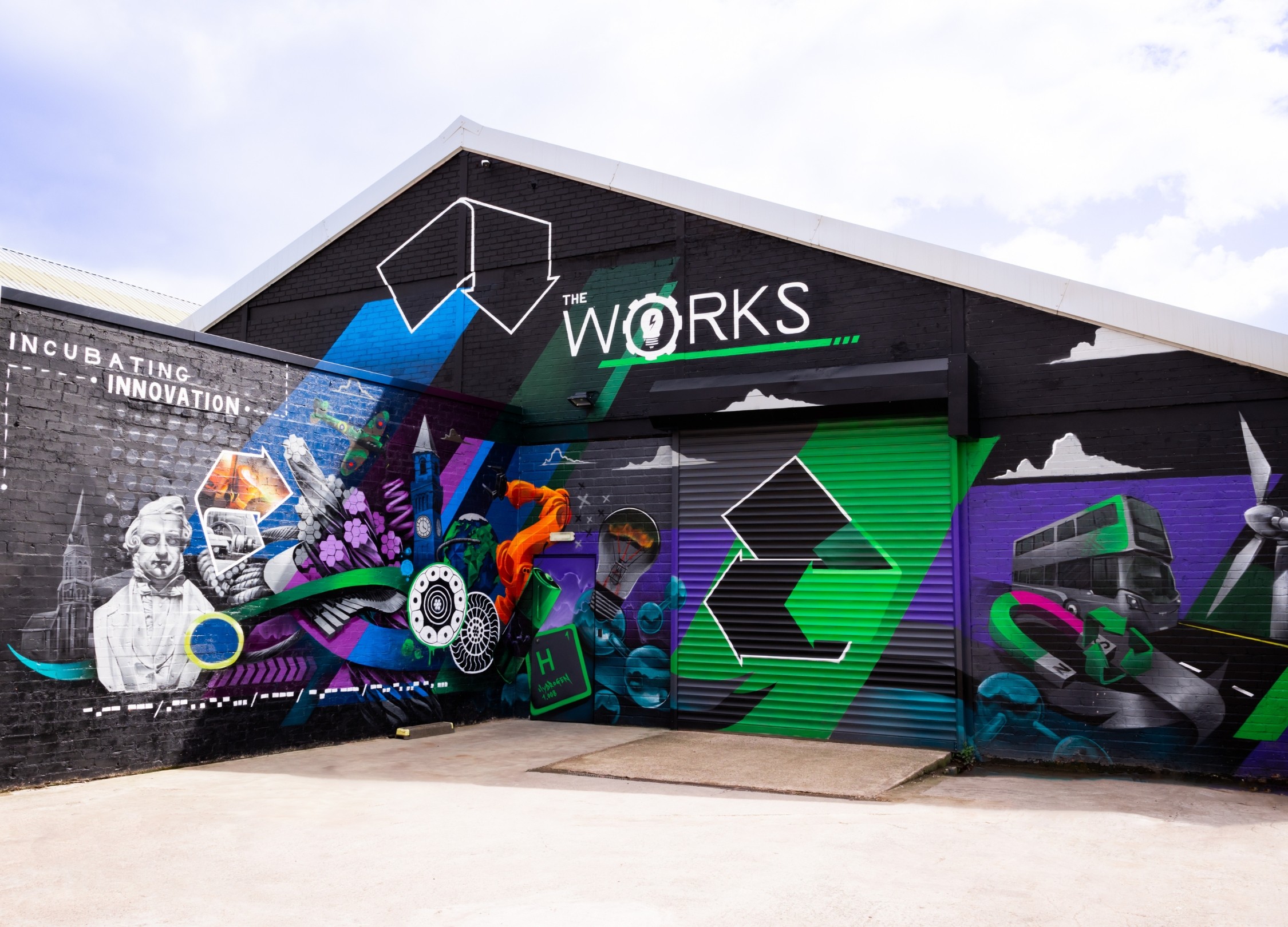
TEP provides incubation spaces for low-carbon SMEs through the Climate Innovation Platform and Energy Transition Centre programmes. These initiatives empower businesses to develop and scale their innovations in energy, transport, and waste solutions.